

for siblings,
day-to-day life can be joyful, confusing, rewarding, and scary - sometimes, all at the same time!
The below resources give us insight into these emotions and provide tips for helping all our children feel seen, heard, and loved.

We’ve met so many families whose eyes light up when they talk about siblings.
One mom speaks of her young son, who didn’t realize he had a baby sister until she was several months old because she had spent so much time in the hospital.
Another mom grieves the fact that one of her children can play sports and live a “traditional childhood” while her other cannot.
A third mom expresses a bittersweet gratitude that both of her children have a chronic illness because at least they will “always have each other.”
These situations are all different, but they all highlight the need for a unique kind of support for siblings.
When a brother or sister is diagnosed with something new, the family dynamic can shift. Siblings may feel scared or uncertain, and it can sometimes be hard for parents to give them the attention and reassurance they need. This downloadable guide from the Courageous Parents Network can help us better understand siblings’ wants and communicate with them effectively and compassionately.

interacting with those who “get it”
The Sibling Support Project is best known for helping local communities start Sibshops - lively peer support groups for school-age brothers and sisters of kids with disabilities and health concerns.
Sibshops are opportunities for brothers and sisters to play games; talk about the good and not-so-good parts of having a sibling with special health care needs; and interact with others who “get it.”
Recently, the Sibling Support Project asked 50 adult brothers and sisters of people with special health care needs: “When you were younger, what did your parents, family members, and service providers do to make you feel special and let you know they cared?” These siblings shared 100 ideas for how we can help our young children feel seen, heard, and loved on a daily basis.
Young brothers and sisters may need help understanding and processing their feelings. Here are several suggestions from pediatric social workers on how parents can help.
Invite siblings to come to doctor’s appointments and introduce them to the care team.
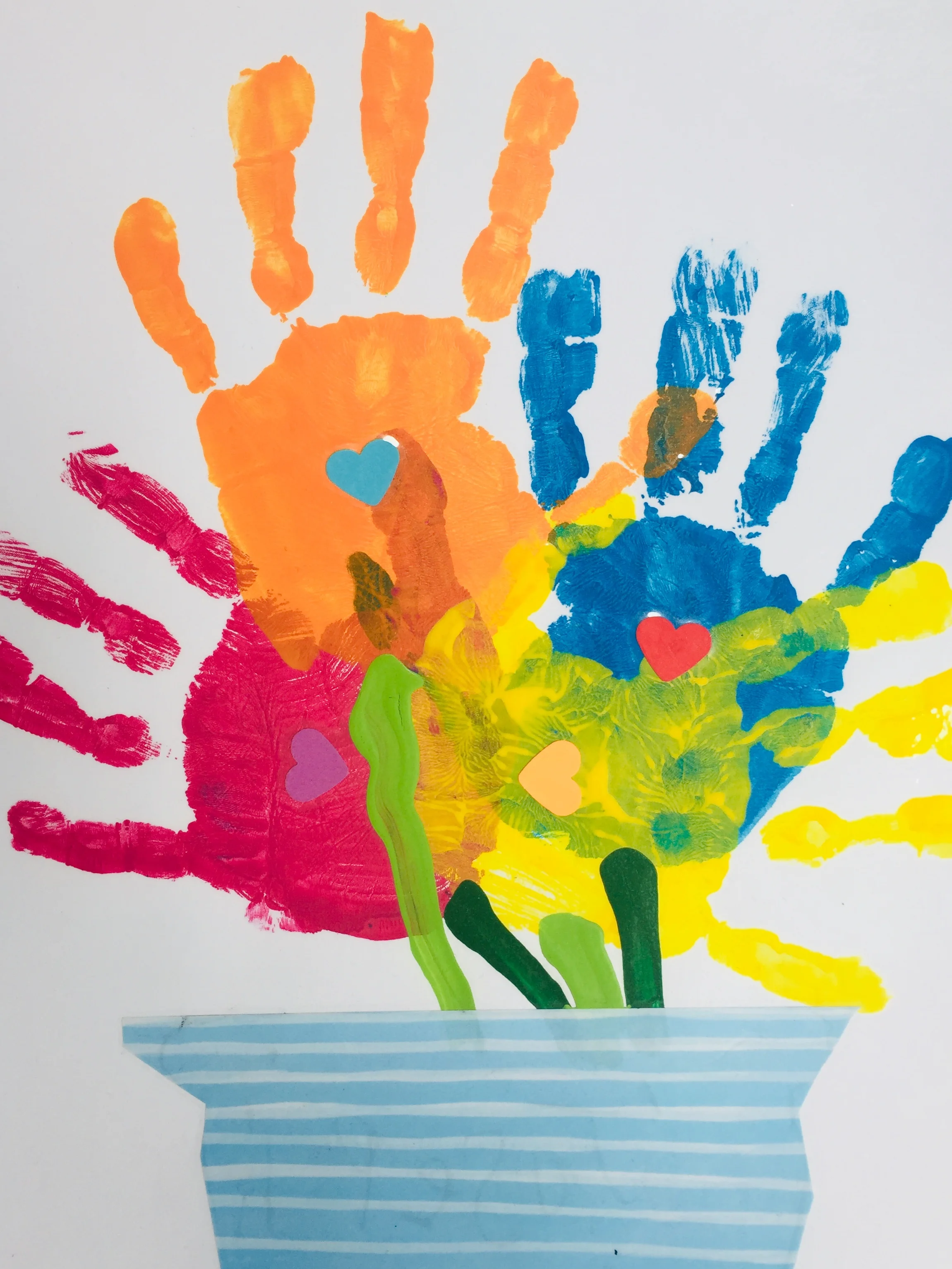
Encourage siblings to share their feelings through drawing, painting, or telling stories.
Help siblings name feelings like anger, jealousy, guilt, or fear. Let them know that it’s okay to feel these emotions, and that you are here to help.
When siblings ask questions, answer with simple language in a way they can understand. Over time, this can also help siblings answer questions they may get from friends.
Set limits that apply to all children in the family. Avoid the temptation to relax family rules.
Set aside personal time for each child. This can be a special activity, a special bedtime routine, or more.
Get siblings involved in their own activities. Give them something to look forward to that is uniquely theirs.
Inform siblings’ teachers of the situation at home. This can help them better understand how to care for siblings at school. It also gives them a heads up should a sibling ask a question or make a related comment at school.
Ask your social worker or mental health professional how they can help you support siblings.